Travel & Conference
Global Peace Corps Pioneer Workshop | Seoul, Korea
June 28, 2023
There are journeys that take you to a new place, and then there are journeys that change the way you see the world. My first journey to South Korea was one of those experiences.
In October 2023, I travelled from Nepal to Seoul, South Korea, to participate in the Global Peace Corps Pioneer Workshop. It was my first international trip, my first time travelling outside Nepal, and my first opportunity to represent Nepal on an international platform. At the time, I was an architecture student, and I travelled from Nepal alone.
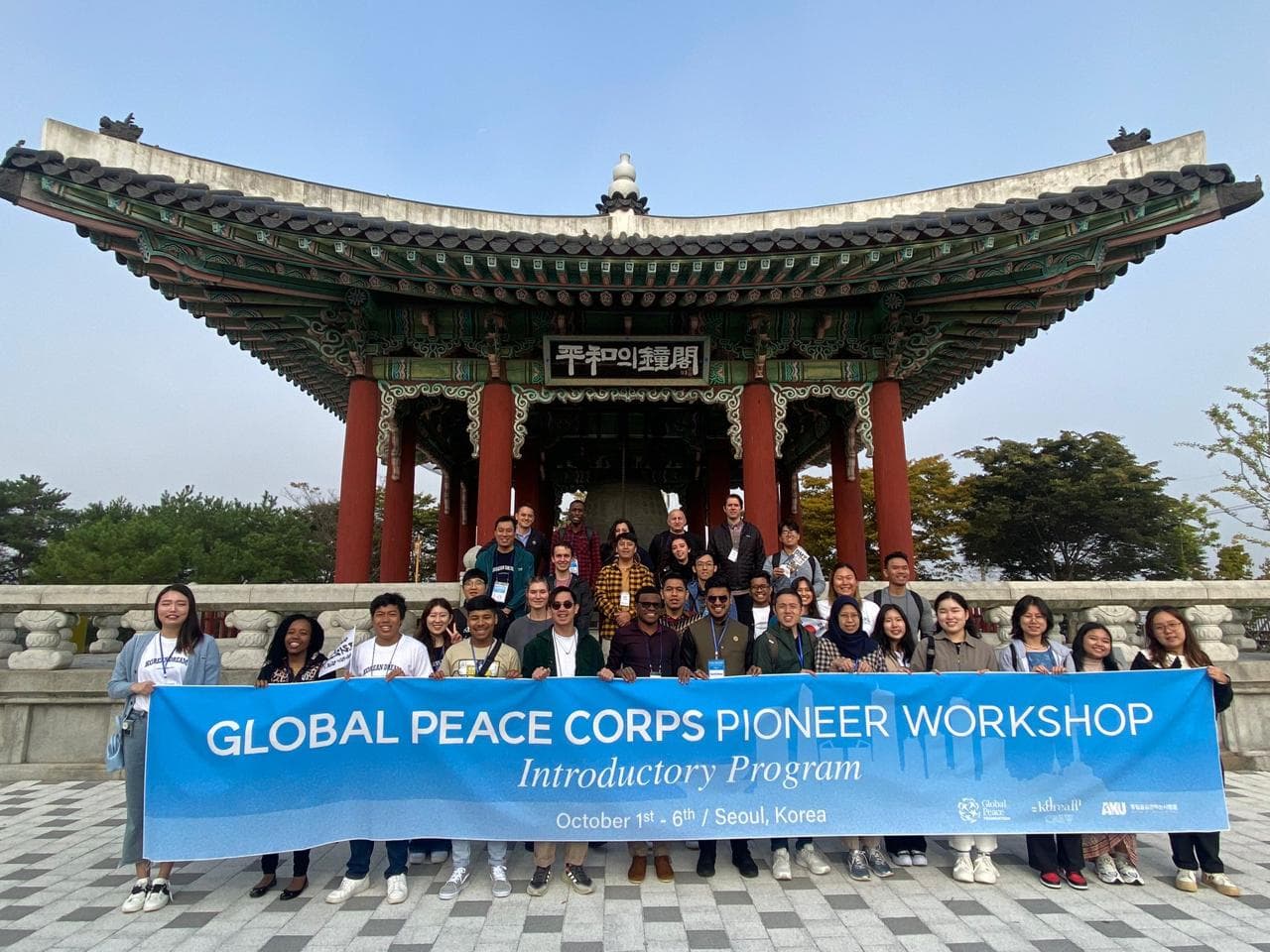
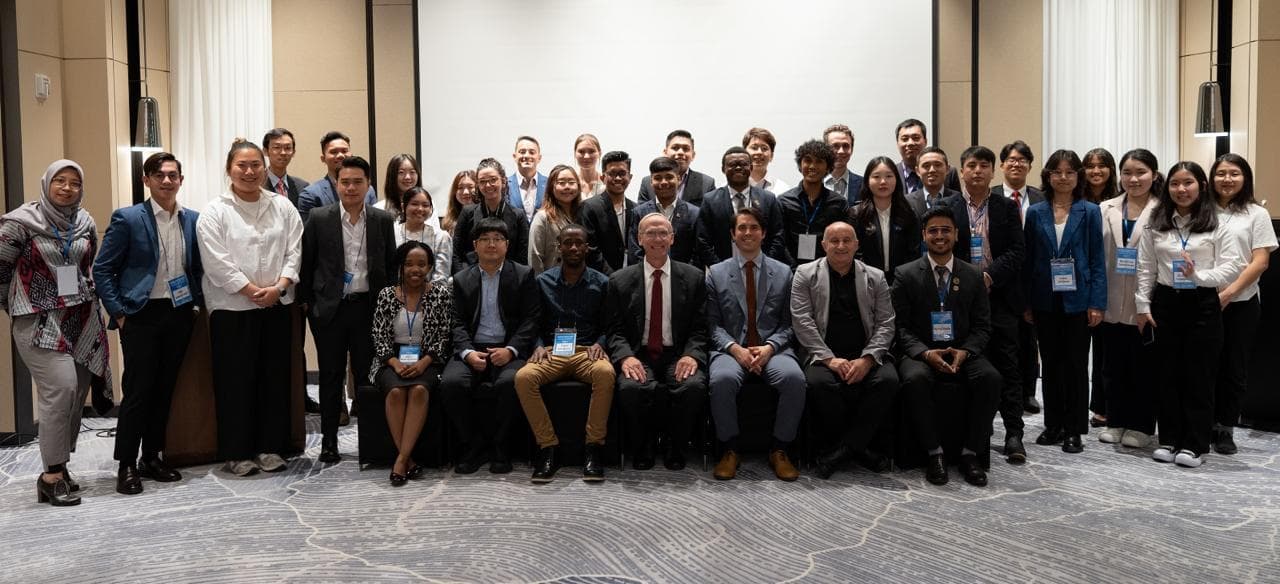
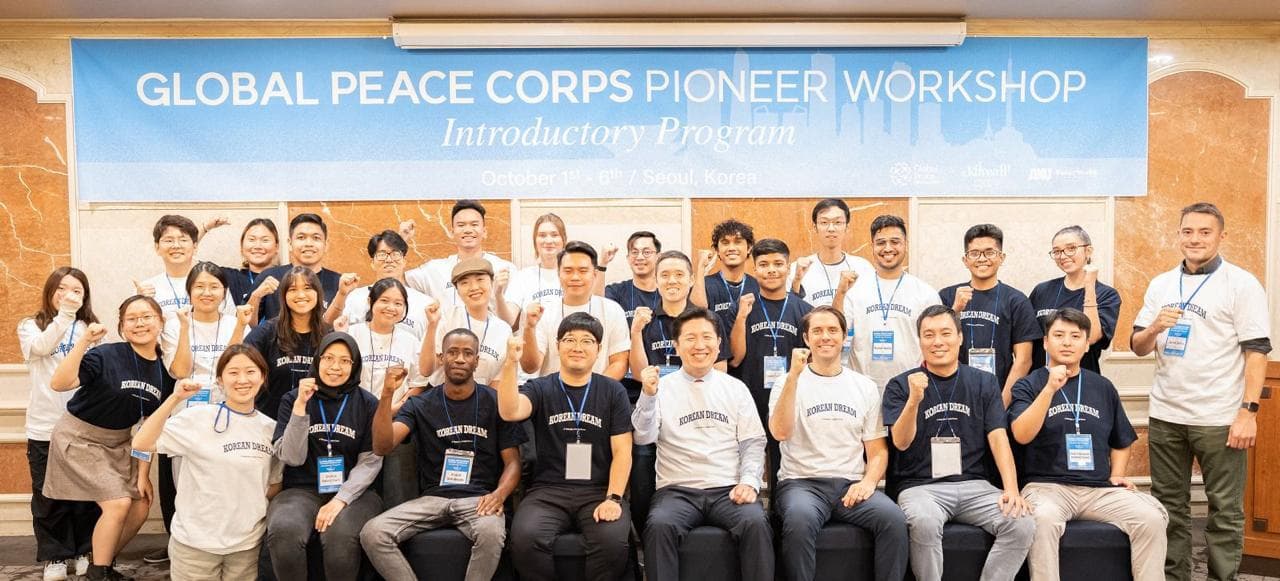
The workshop brought together young people from 17 countries, creating a space where different cultures, ideas, experiences, and aspirations came together. What I did not know when I left Nepal was that this would become much more than a workshop. It would become a journey of independence, cultural discovery, friendship, leadership, and a new perspective on the world.
Leaving Nepal Alone
I still remember the feeling of leaving Nepal for the first time.
There was excitement, but there was also uncertainty. I was travelling to a country I had never visited, surrounded by a language and culture I did not know, and I was doing it alone.
At the same time, I carried a strong sense of pride. I was going to represent Nepal.
For the first time, I was stepping onto an international platform where I would have the opportunity to introduce myself not only as an individual, but as a young Nepali. I was excited to share something about my country while learning about the countries and cultures of everyone I would meet.
That first flight marked the beginning of something new for me. I was leaving behind what was familiar and stepping into an experience I could not fully predict.
My First Days in Seoul
Arriving in South Korea felt completely new.
The streets, language, transportation, architecture, food, and everyday lifestyle were different from what I was accustomed to in Nepal. As a vegetarian, finding suitable food was one of the challenges I faced, and there were moments when I missed the familiarity of home.
But those challenges were also part of the experience. Travelling alone meant learning to adapt, communicate, navigate unfamiliar surroundings, and become comfortable with situations I had never encountered before.
Seoul itself immediately caught my attention.
As an architecture student, I naturally found myself observing the buildings, streets, public spaces, transportation systems, and the relationship between people and the city. The combination of modern infrastructure, dense urban life, technology, and carefully organized public spaces gave me a completely different perspective on how a city can function.
But after spending more time there, I realized that the most memorable part of Korea was not simply the city.
It was the people.
17 Countries, One Unexpected Friendship
The Global Peace Corps Pioneer Workshop brought together participants from 17 different countries.
We came from different cultures, spoke different languages, followed different traditions, and had very different personal experiences. Yet, from the very first meeting, connecting with one another felt surprisingly natural.
I had travelled from Nepal alone, but I did not feel alone for long.
Introductions quickly turned into conversations. Conversations became laughter, shared experiences, photographs, and plans to explore the city together.
Within a short time, people who had arrived as strangers began to feel like friends.
That was one of the most unexpected parts of the journey. Distance and cultural differences seemed much less important once we started talking and learning about one another.
The workshop brought us together formally, but the experiences outside the programme created the friendships that became central to my time in Korea.
Discovering Seoul Together
Some of my favourite moments happened outside the official workshop schedule.
We travelled through the Seoul Metro, sometimes late at night, explored different parts of the city, walked through unfamiliar streets, and simply enjoyed being together.
Not every outing had a detailed plan. Sometimes we decided where to go as we went along, and those unplanned moments often became the most enjoyable.
The metro rides became opportunities for conversation. Walks through the city became opportunities to share stories. Exploring an unfamiliar place together made the experience more exciting.
For someone experiencing their first international trip, there was something unforgettable about discovering Seoul at night with friends from different parts of the world.
The Energy of Hongdae
One place that gave me a completely different impression of Seoul was Hongdae.
The streets were energetic and full of life. Music, lights, people, shops, food, and street activity created an atmosphere that felt very different from the quieter moments we experienced elsewhere.
Walking through Hongdae with friends made the experience even more enjoyable. We were not following a strict tourist itinerary. We were simply walking, talking, taking photographs, laughing, and discovering the neighbourhood together.
It was one of those evenings where the destination mattered less than the people you were experiencing it with.
Yeouido and the Hangang River
Among the places I experienced in Seoul, Yeouido and the Hangang River remain particularly memorable.
The city lights reflected across the river while the surrounding open spaces created a calmer atmosphere away from the intensity of the city streets.
Our programme included a Han River night walk after the Korea United Festival. What I remember most, however, are the conversations that happened around those moments.
We would sit together and talk late into the night.
We talked about our countries, cultures, traditions, families, education, experiences, and dreams. Someone would share something about their country, and another person would connect it with their own experience.
I found myself learning about countries I had never visited simply by listening to the people sitting beside me.
At the same time, I had the opportunity to share stories about Nepal, our culture, traditions, and my own experiences.
Those conversations beside the Hangang River became one of the clearest examples of what international youth exchange could mean to me.
Different Cultures, Shared Aspirations
Spending time with people from different countries made me notice both our differences and our similarities.
Our languages were different.
Our food and traditions were different.
Our countries had different histories and circumstances.
But when the conversations became personal, many of the things we cared about were similar. We talked about our families, our communities, our education, our ambitions, and the kind of future we wanted to build.
The experience showed me that cultural exchange is not only about learning how different people are. It is also about finding the things that connect us.
Sometimes, understanding another culture begins with something as simple as listening to someone's story.
More Than a Workshop
The Global Peace Corps Pioneer Workshop gave the journey a deeper purpose. The programme focused on moral and innovative leadership, character development, peacebuilding competencies, international volunteering, and the future direction of the Global Peace Corps.
We participated in presentations, discussions, team building activities, cultural experiences, and conversations about how young people can contribute to positive change.
For me, these sessions connected naturally with my own involvement in volunteering and youth leadership in Nepal.
However, some of the most valuable learning happened outside the formal sessions. Conversations with participants from other countries gave me different perspectives on leadership, community service, peace, and social responsibility.
The workshop therefore became both an educational experience and a space for cultural exchange.
Experiencing Korea Beyond the Workshop
The journey also gave us opportunities to experience Korea beyond the workshop itself.
We participated in the Korea United Festival, explored the Korean Dream and the vision of a unified Korea, and experienced the Han River at night.
These activities introduced me to aspects of Korean identity and history that I would not have understood simply by exploring the streets of Seoul.
The experience of seeing modern Seoul alongside conversations about Korea's history, division, and hopes for peace created an interesting contrast.
It showed me that a country cannot be understood only through its modern image. Its history and aspirations are equally important.
The DMZ
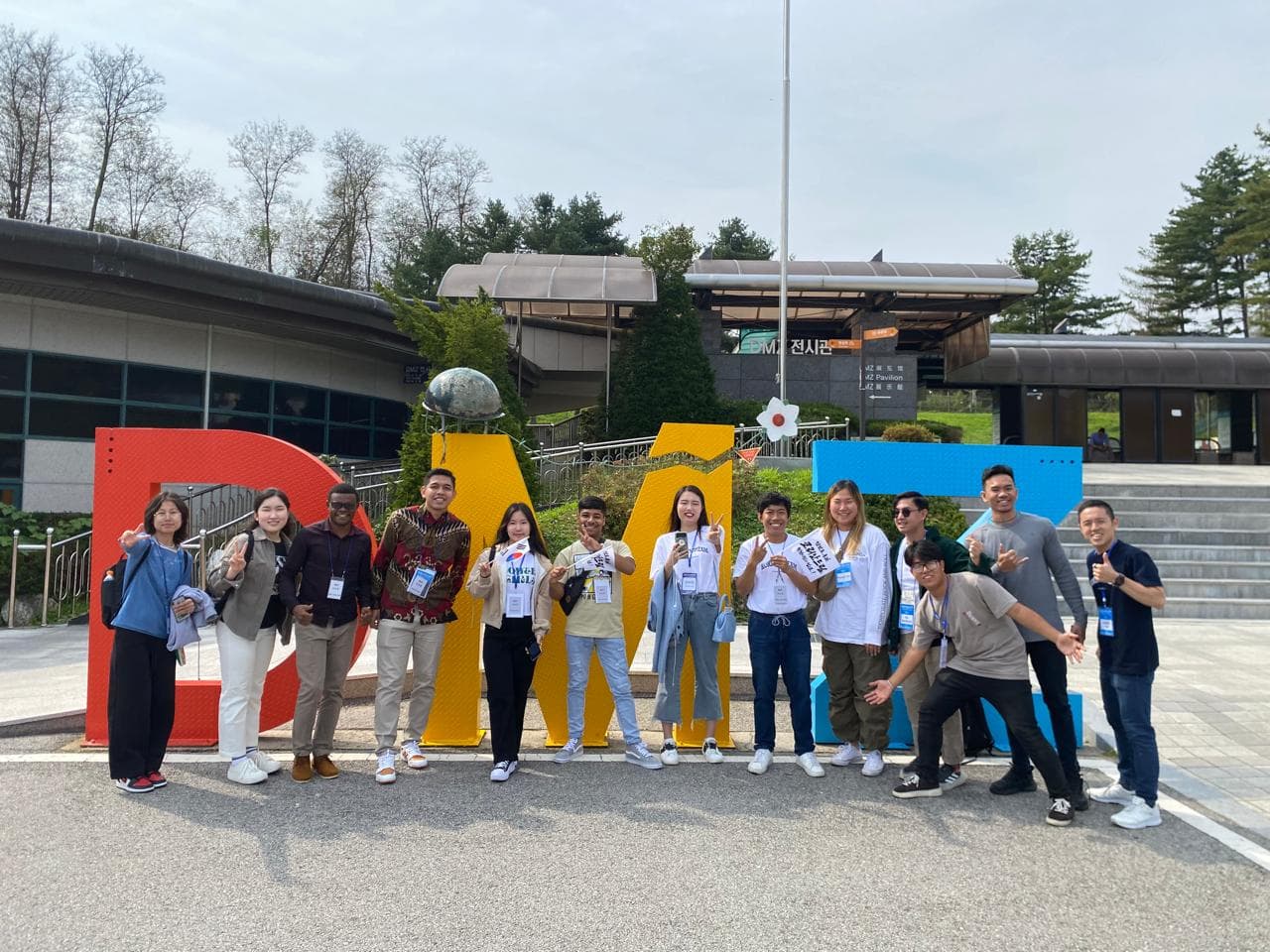
One of the most powerful experiences of the entire journey was visiting the Demilitarized Zone.
We visited Imjingak Peace Park, travelled by gondola, explored the Third Tunnel and Dora Observatory, and spent time around the Peace Park, including kite flying.
Standing in a place so closely connected with conflict and division gave a different meaning to the conversations we had been having about peace.
The DMZ was not simply another destination on the programme. It was a physical reminder of history and of the continuing hope for reconciliation.
For me, the experience encouraged a deeper appreciation for peace and the responsibility of younger generations to understand the past while working toward a more peaceful future.
Understanding Korea's History
We also visited the Korean War Museum, where we learned more about the Korean War and the country's history.
The visit was particularly striking after experiencing Seoul's modern urban environment.
I had spent time travelling through a highly developed city, using its extensive metro system, walking through busy neighbourhoods, and observing its modern architecture. Then, through the museum, I was confronted with the history that shaped the Korea I was experiencing.
That contrast made the city feel more complex.
Modern Seoul was not created in isolation. It was shaped by history, hardship, development, and the determination of generations of people.
Understanding that history gave me a deeper appreciation of the country I was visiting.
Representing Nepal for the First Time
One of the most meaningful parts of the journey was representing Nepal internationally for the first time.
People were curious about Nepal. They wanted to know about our culture, traditions, lifestyle, communities, and young people.
I was equally interested in learning about their countries.
I discovered that representing a country does not always happen through a formal speech or a stage. Sometimes it happens through a simple conversation, answering someone's question, sharing a tradition, or explaining what life is like back home.
Every conversation became an opportunity to introduce a small part of Nepal to someone who might never have visited.
At the same time, the stories I heard from other participants expanded my understanding of the world beyond what I had experienced personally.
I Arrived Alone, But I Didn't Leave Alone
When I think about my first international journey today, I remember how different I felt when I left Nepal compared with when I returned.
I had started the journey as an architecture student travelling alone for the first time.
By the end, I had travelled through Seoul with friends from different countries, experienced Korean culture, explored the city's streets and public spaces, stood at the DMZ, learned more about Korea's history, and shared stories about Nepal with people from around the world.
The official workshop lasted only a few days, but the experience extended far beyond the programme.
I remember the first meetings, the late night metro rides, Hongdae, Yeouido, the Hangang River, the conversations about our countries, the laughter, the DMZ, and the friendships that began in Seoul.
These are the moments that turned my first international trip into a defining chapter of my journey.
My First Step Into the World
Looking back, South Korea was much more than my first international destination.
It was my first experience of travelling alone.
It was my first time representing Nepal internationally.
It was my first close encounter with people from 17 different countries.
It challenged me to adapt to an unfamiliar environment, encouraged me to become more independent, and introduced me to friendships that crossed borders.
Most importantly, it opened my perspective beyond what I had known before.
I travelled to Seoul as an architecture student from Nepal, carrying the excitement and uncertainty of my first journey outside the country.
I returned with a wider perspective, meaningful friendships, new cultural experiences, and the confidence that there was a much bigger world waiting to be explored.
Seoul was not simply my first international destination. It was my first step into the world.
And sometimes, one journey is enough to make you want to keep going.
Gallery